
Every Step Tells A Story
Every Step Tells A Story
Grand North India
Your Journey Begins the Moment You Land
Arriving in an unfamiliar country can feel stressful. This is especially true when English or Arabic is not your first language. We remove that stress for you completely.
Our private expediter meets you inside Cairo International Airport. This person is waiting for you before you even reach passport control. You are guided through every step with ease. Your luggage is handled for you. Your transfer is private and comfortable. You are driven directly to your hotel.
You never wait in a long taxi line. You never search for a driver holding a sign with your name. From your very first minute in Egypt, you are cared for.

A 17 Day Journey Through Forts, Faiths and the Ganges
North India is where the country’s history feels closest to the surface, and this seventeen-day route through Delhi, Rajasthan, Madhya Pradesh and Varanasi is built to bring that history alive. The journey moves from Mughal monuments and Rajput forts to sacred lakes, carved temples and the banks of the Ganges. Below is a day-by-day look at how it unfolds.
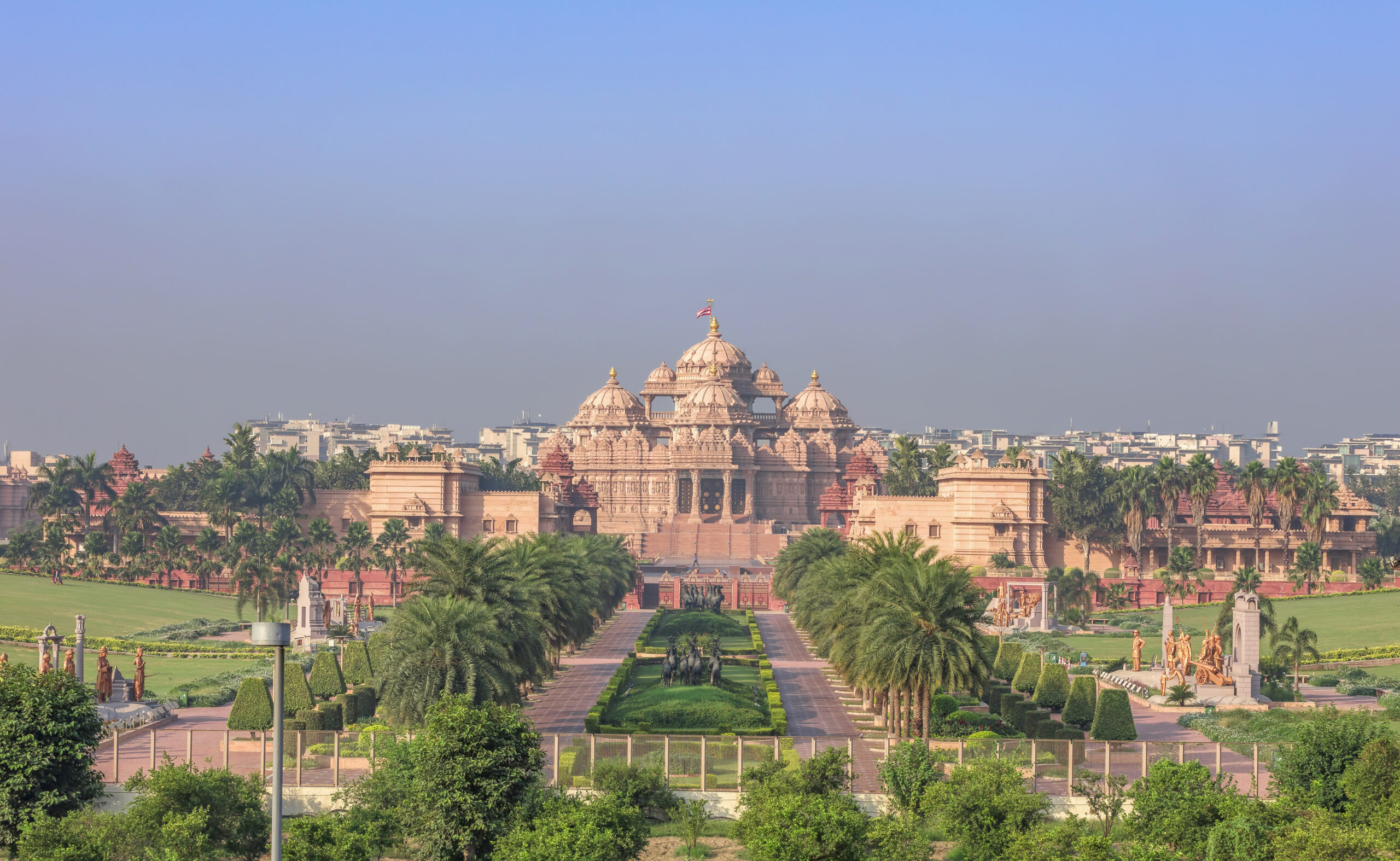
Akshardham Temple – Picture by kind courtesy on the Indian Tourism Board
Day 1: Arrive Delhi
The journey begins with a warm welcome at the airport and floral garlands before check-in at the hotel. The afternoon is spent in Old Delhi, starting at Raj Ghat, the black-marble platform marking Mahatma Gandhi’s cremation site. A rickshaw ride through Chandni Chowk passes the Red Fort and the wholesale spice market at Khari Baoli, weaving through lanes devoted to textiles and silver before ending at Jama Masjid, the capital’s largest mosque.
Day 2: Delhi
A full day of New Delhi sightseeing opens at Bangla Sahib Gurudwara, a Sikh temple known for its community kitchen. The tour continues past India Gate and stops at Laxmi Narayan Temple, built by industrialist J.K. Birla in 1939. Qutub Minar, the tallest brick minaret in the world, is followed by Humayun’s Tomb, the mausoleum that influenced the design of the Taj Mahal, and closes with photographs at the Lotus Temple.
Day 2 — The Great Pyramids of Giza and the Egyptian Museum
After a relaxing breakfast, your private guide takes you to the Giza Plateau. This is home to one of the Seven Wonders of the Ancient World. You stand before the Great Pyramids of Cheops, Chefren, and Mykerinus. You also see the famous Sphinx and the Valley Temple. You enjoy lunch at a local restaurant. In the afternoon, your guide takes you to the world-famous Egyptian Museum. This museum was designed by French architect Marcel Dourgnon in an elegant neo-classical style. Inside, over 120,000 treasures are on display. These span from the predynastic era through the Pharaonic age to the Greco-Roman period. Afterward, you return to your hotel for a comfortable overnight stay.
Day 3: Delhi – Pushkar
The long drive south leads to Pushkar, a lakeside town at 510 metres known as the rose garden of Rajasthan. Pushkar holds the only temple in the world dedicated to Lord Brahma, and Hindus consider a visit here central to attaining salvation. The evening includes a visit to Brahma Temple and the sacred Pushkar Lake, described in scripture as the king of all pilgrimage sites.
Day 4: Pushkar – Jodhpur
The morning starts with Savitri Temple on the hillock behind Brahma Temple, reachable by ropeway for panoramic views of the lake and dunes. The drive continues to Jodhpur, the Blue City, named for the indigo-washed buildings that fill its old town. On arrival, a walking or tuk-tuk tour of the old town takes in the local bazaar and the clock tower at its centre.
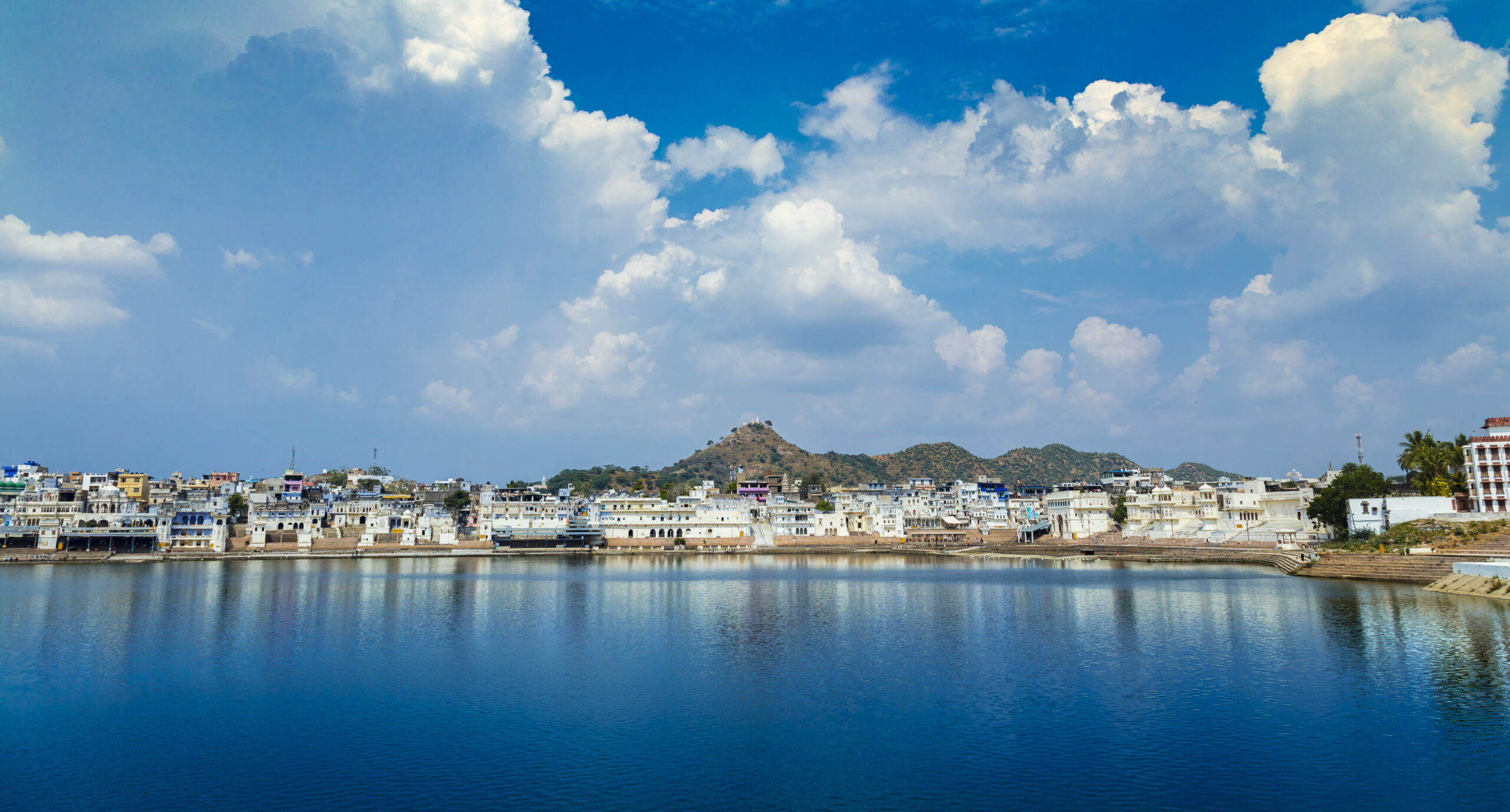
Pushkar Lake – Picture by kind courtesy on the Indian Tourism Board
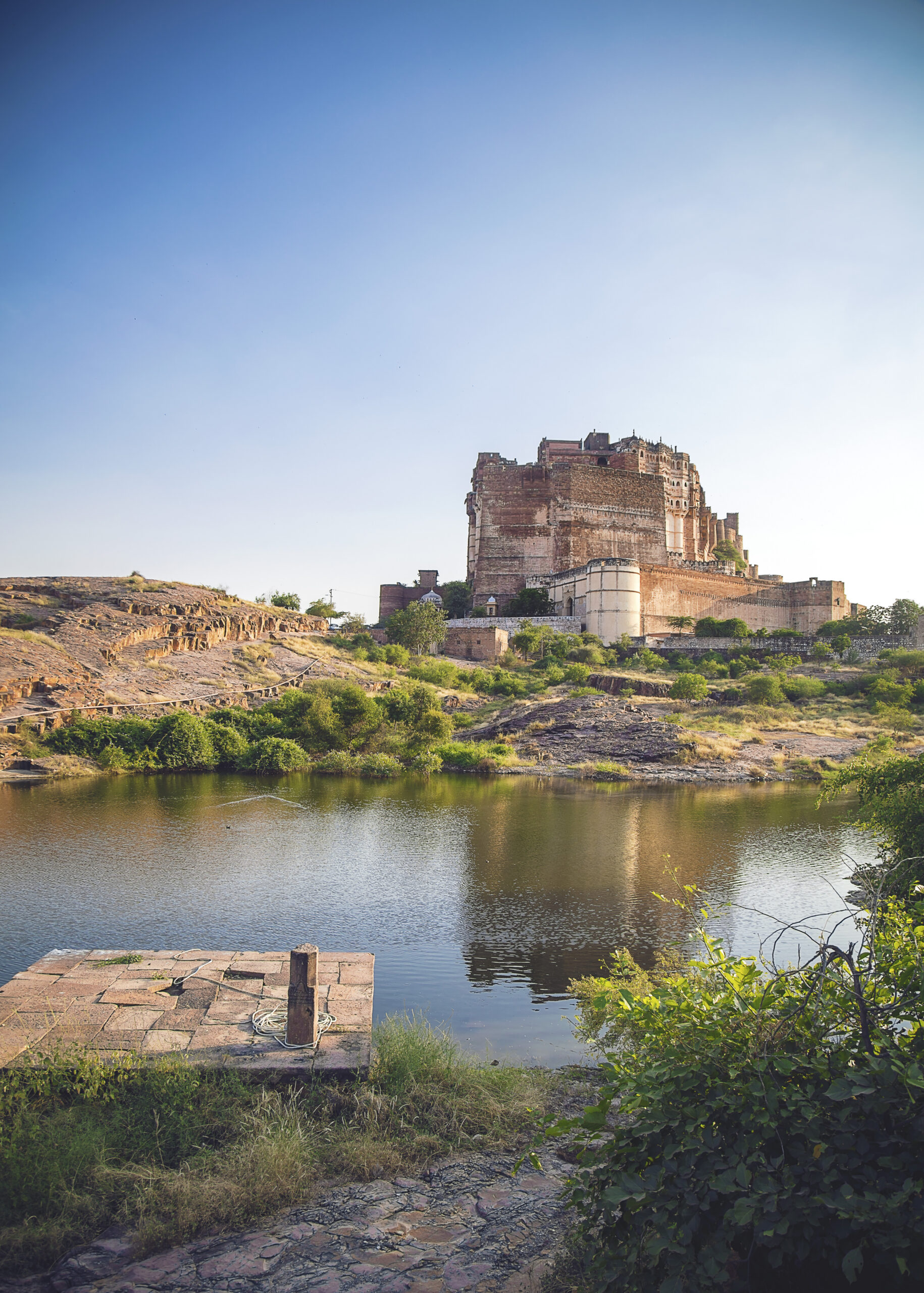
Mehrangarh Fort Jodhpur – Picture by kind courtesy on the Indian Tourism Board
Day 5: Jodhpur
A full day of sightseeing begins at Mehrangarh Fort, rising 125 metres above the city and still bearing the marks of old cannonball attacks. Jaswant Thada, a milky-white marble memorial to Maharaja Jaswant Singh, follows next. The day closes at Umaid Bhawan Museum, home to vintage glassware, royal memorabilia and curiosities including stuffed leopards.
Day 6: Jodhpur – Ranakpur – Udaipur
The road to Udaipur includes a stop at Ranakpur Temple, one of India’s most significant Jain temple complexes, built in the fifteenth century entirely in milk-white marble. Udaipur itself, often called the Venice of the East, sits among azure lakes and the green hills of the Aravallis. On arrival, check-in allows time to settle in before the next day’s sightseeing.
Day 7: Udaipur
Sightseeing begins at Saheliyon-ki-Bari, a garden built for forty-eight royal maidens, followed by the marble grandeur of City Palace on the edge of Lake Pichola. A visit to the Vintage and Classic Car Museum showcases the royal family’s antique collection. The evening ends with a sunset boat ride on Lake Pichola, stopping at Jag Mandir, the lake’s first island palace.
Day 8: Udaipur – Jaipur
The journey continues to Jaipur, India’s first planned city, founded in 1727 by Jai Singh II and laid out according to the principles of Vastu Shastra. Known globally as the Pink City for its rose-coloured architecture, Jaipur blends royal history with the pace of a modern capital. Check-in at the hotel completes the day.
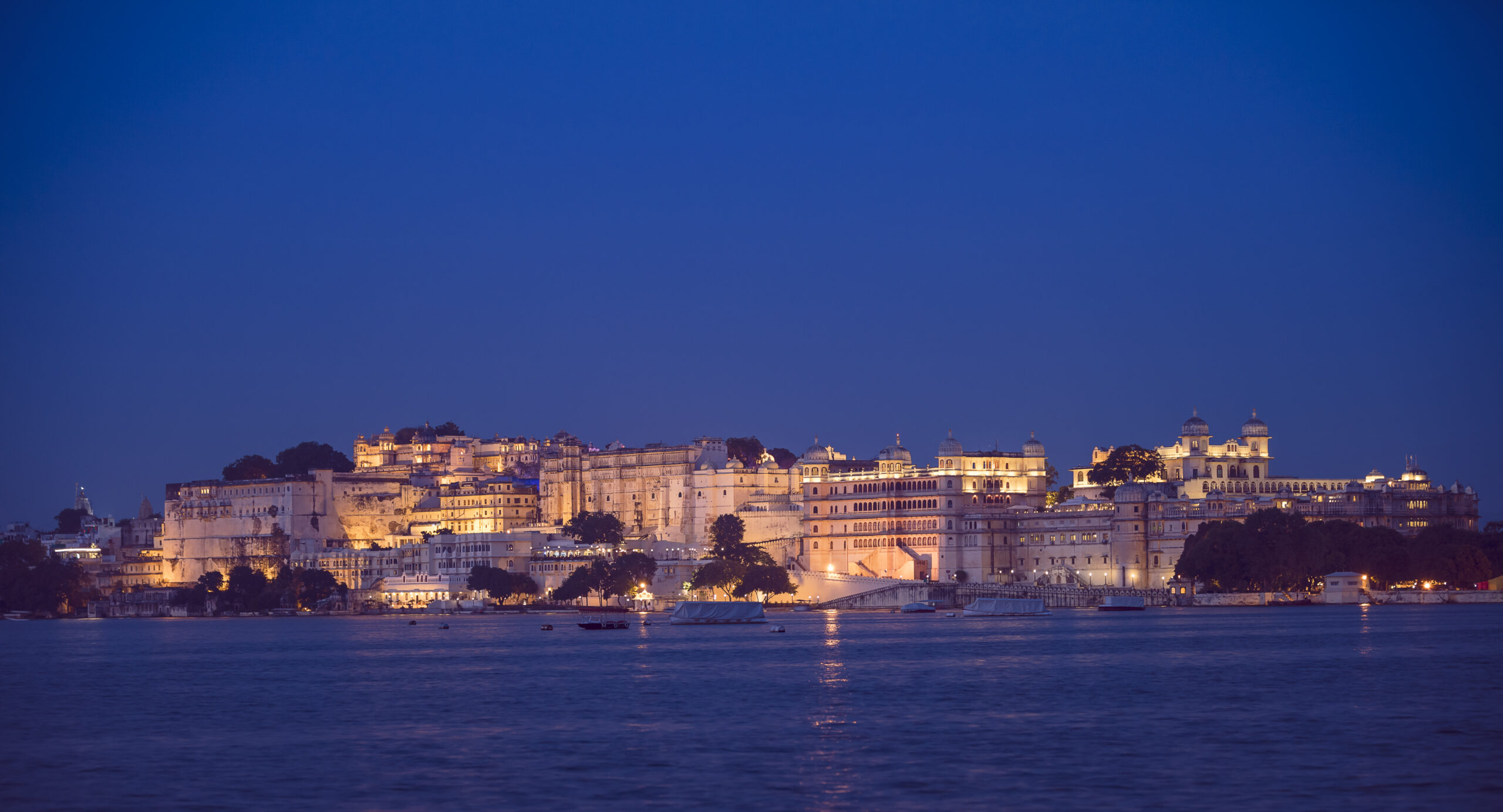
City Palace Udaipur – Picture by kind courtesy on the Indian Tourism Board
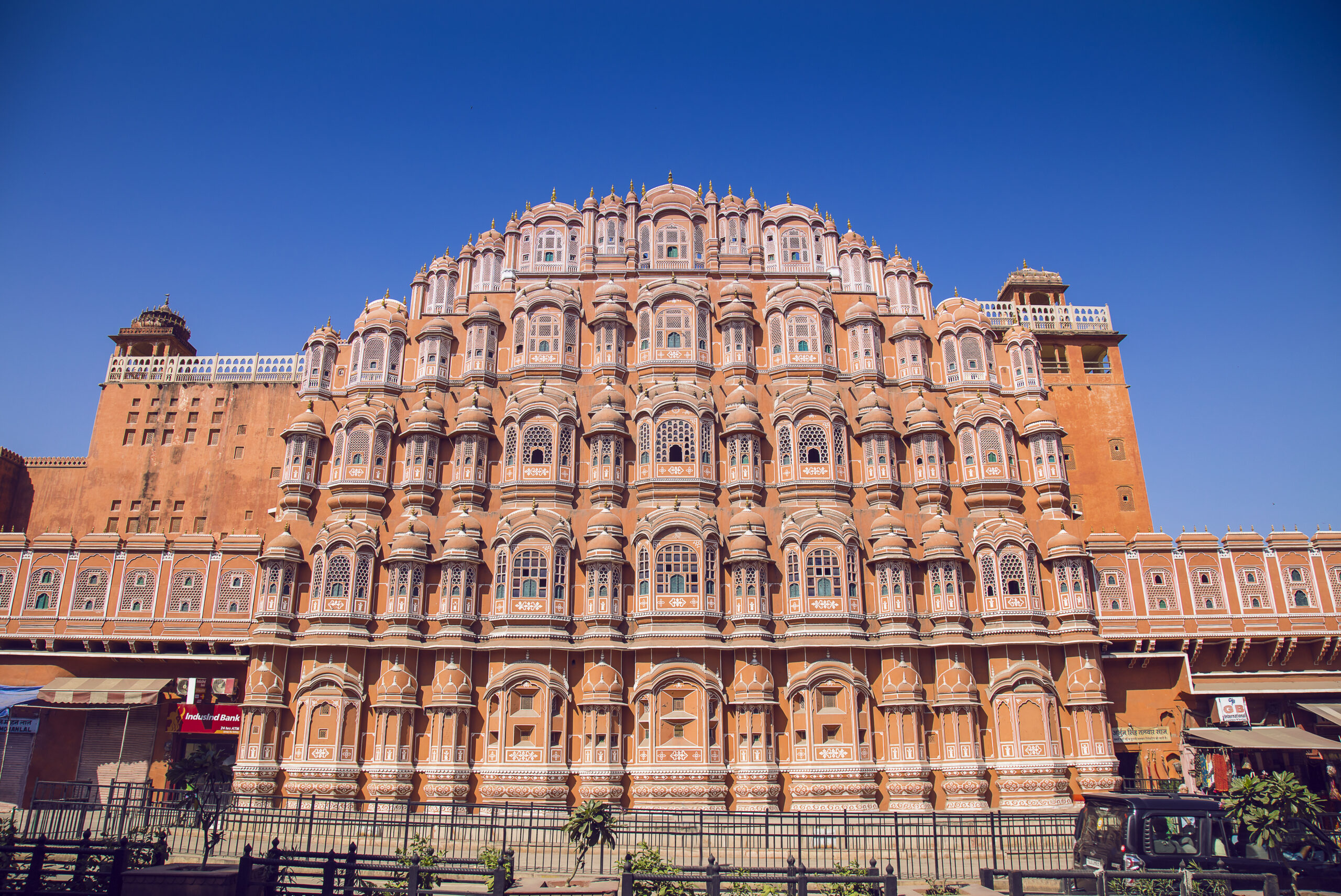
Hawa Mahal – Picture by kind courtesy on the Indian Tourism Board
Day 9: Jaipur
The day opens with a jeep ride up to Amber Fort, one of India’s most visited forts, along with a stop at Panna-Meena ka Kund, a stepped well with stairs on all four sides. A drive past Jal Mahal, the Water Palace, leads to jewellery and carpet workshops before reaching City Palace, built by Jai Singh in the 1720s. Jantar Mantar’s stone astronomical instruments and a photo stop at Hawa Mahal round out the afternoon, with free time in Jaipur’s local markets.
Day 10: Jaipur – Abhaneri – Agra
The drive to Agra includes a stop at Abhaneri to see Chand Baori, an eighth-century stepwell nearly twenty metres deep with a thousand narrow steps across thirteen storeys, alongside the nearby Harshat Mata Temple. Agra itself is home to the Taj Mahal, and the city’s UNESCO-listed Agra Fort adds another layer of Mughal history. Check-in follows on arrival.
Day 11: Agra
A sunrise visit to the Taj Mahal opens the day, the white marble mausoleum built by Emperor Shah Jahan in memory of his wife Mumtaz Mahal, inlaid with lapis lazuli, agate and other semi-precious stones. After breakfast, the tour continues to Agra Fort, built by Akbar in 1565, and Itmad-ud-Daula, a Persian-influenced tomb on the banks of the Yamuna. A stop at a marble inlay workshop, run by descendants of the original Taj Mahal artisans, completes the day.
Day 12: Agra – Jhansi – Orchha – Khajuraho
A morning train to Jhansi is followed by a drive to Khajuraho with a stop in Orchha, founded by Bundela chieftain Rudra Pratap Singh along the Betwa river. Orchha Fort includes Jahangir Mahal, built to honour Emperor Jahangir’s first visit, and Raj Mahal Palace with its painted ceilings depicting scenes from the Ramayana. The drive continues to Khajuraho, once home to eighty-five temples, twenty-five of which survive today.
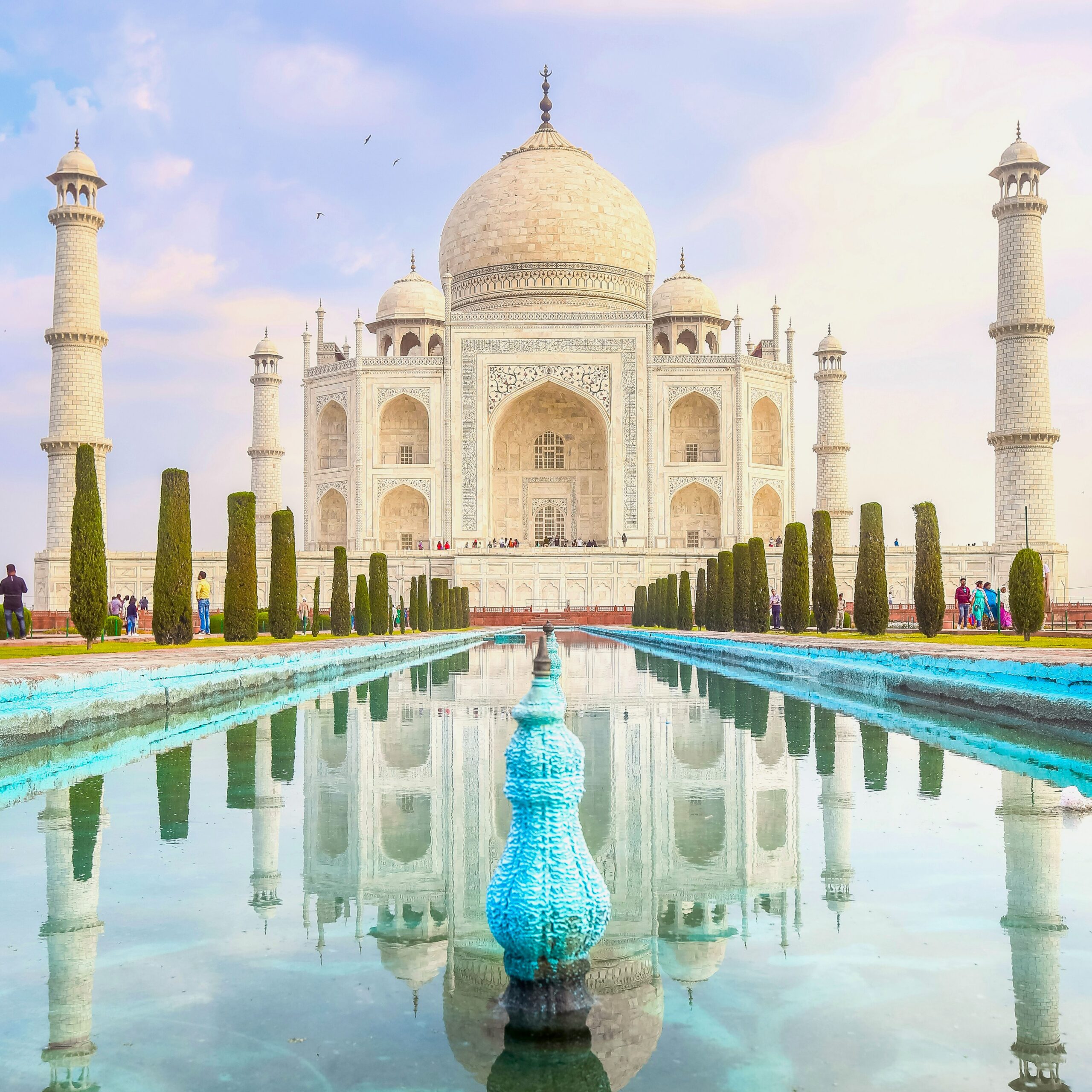
Taj Mahal – 🅭 Noor Din
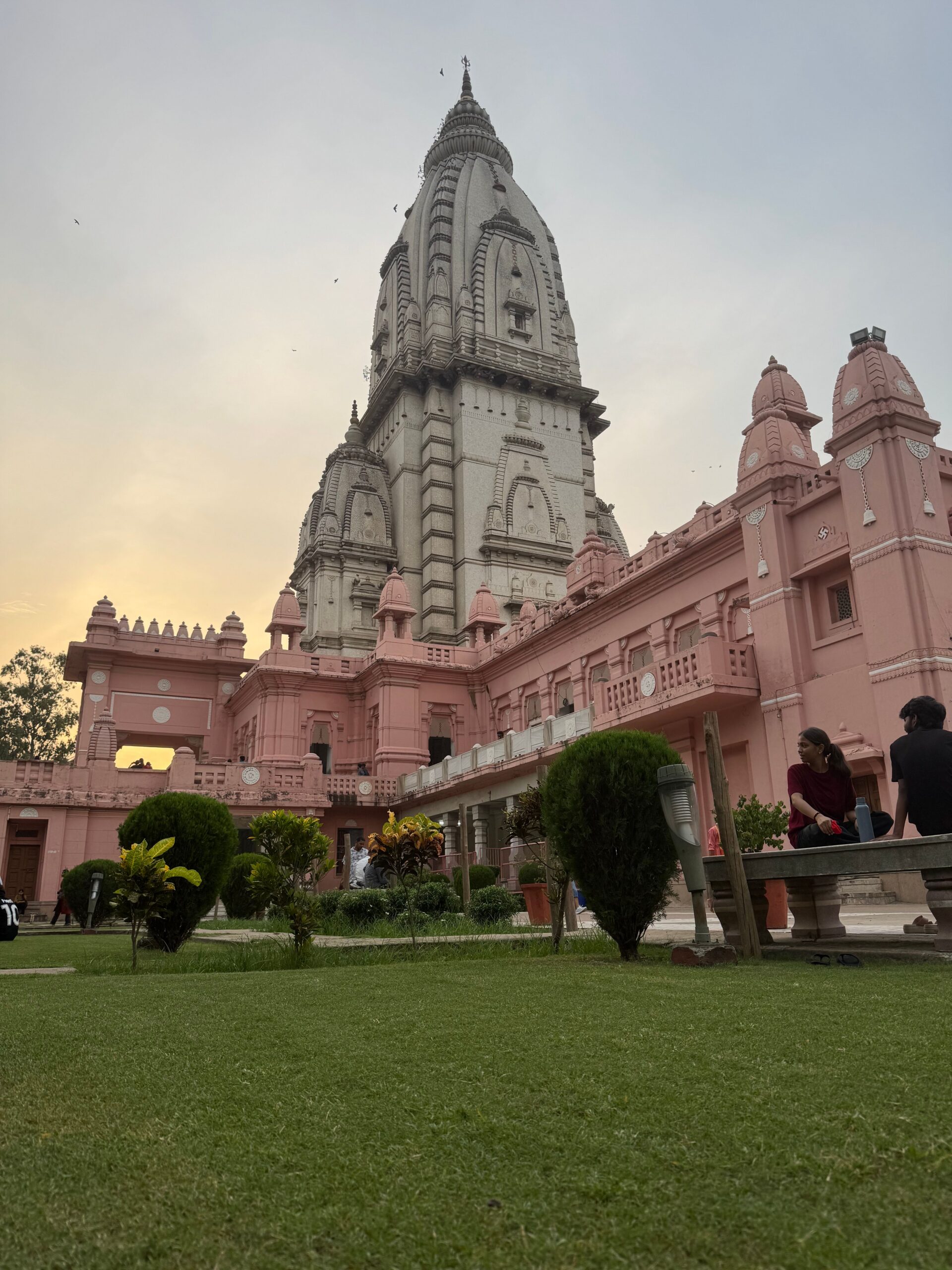
Bharat Mata Temple – 🅭 Prerit Panday
Day 13: Khajuraho
An early start leads to Panna National Park for a jeep safari with a licensed naturalist, with chances to spot tigers, leopards, deer and a wide range of birdlife. The nearby Pandav Falls offer a scenic stop amid lush forest before the return to Khajuraho for an overnight stay.
Day 14: Khajuraho – Varanasi
The morning is spent among Khajuraho’s Western group of temples, home to roughly eight hundred and seventy sculptures across shrines dedicated to Shiva, Vishnu and other deities. The main sanctum’s carved Shivling and floral stonework anchor the visit. Onward travel to Varanasi follows by flight or train, arriving in one of Hinduism’s seven holiest cities.
Day 15: Varanasi
An early Ganges boat ride passes ghats used for prayer, cremation, laundry and daily life, followed by a walk through the Kashi Vishwanath Temple Corridor. The day continues past Banaras Hindu University, established in 1916, and the Bharat Mata Temple with its marble relief map of India. A Sarnath tour visits the Dhamekh Stupa, marking the site of Buddha’s first sermon, along with its archaeological museum. The evening closes with the Ganga aarti at Dashashwamedh Ghat, a ritual of oil lamps, conch shells and synchronised chanting.
Day 16: Varanasi – Delhi
A morning flight or train returns the group to Delhi, where the rest of the day is left free to enjoy hotel facilities or explore nearby markets and cafes independently.
Day 17: Delhi Departure
The final morning allows for breakfast before the transfer to Indira Gandhi International Airport for the flight home.
Why This Route Works
This itinerary works because it moves through India’s history in layers rather than repeating the same note twice. Delhi sets the stage with its mix of empires, Rajasthan adds forts, lakes and desert colour, Agra and Orchha bring Mughal and Bundela architecture into focus, and Khajuraho and Varanasi close the loop with temple art and spiritual ritual. The pace alternates between full sightseeing days and lighter travel days, giving the trip rhythm without losing momentum. For travellers wanting a complete introduction to North India’s grand monuments and living traditions, this seventeen-day route delivers exactly that, with Active Traveller managing the logistics so the focus stays on the journey itself.
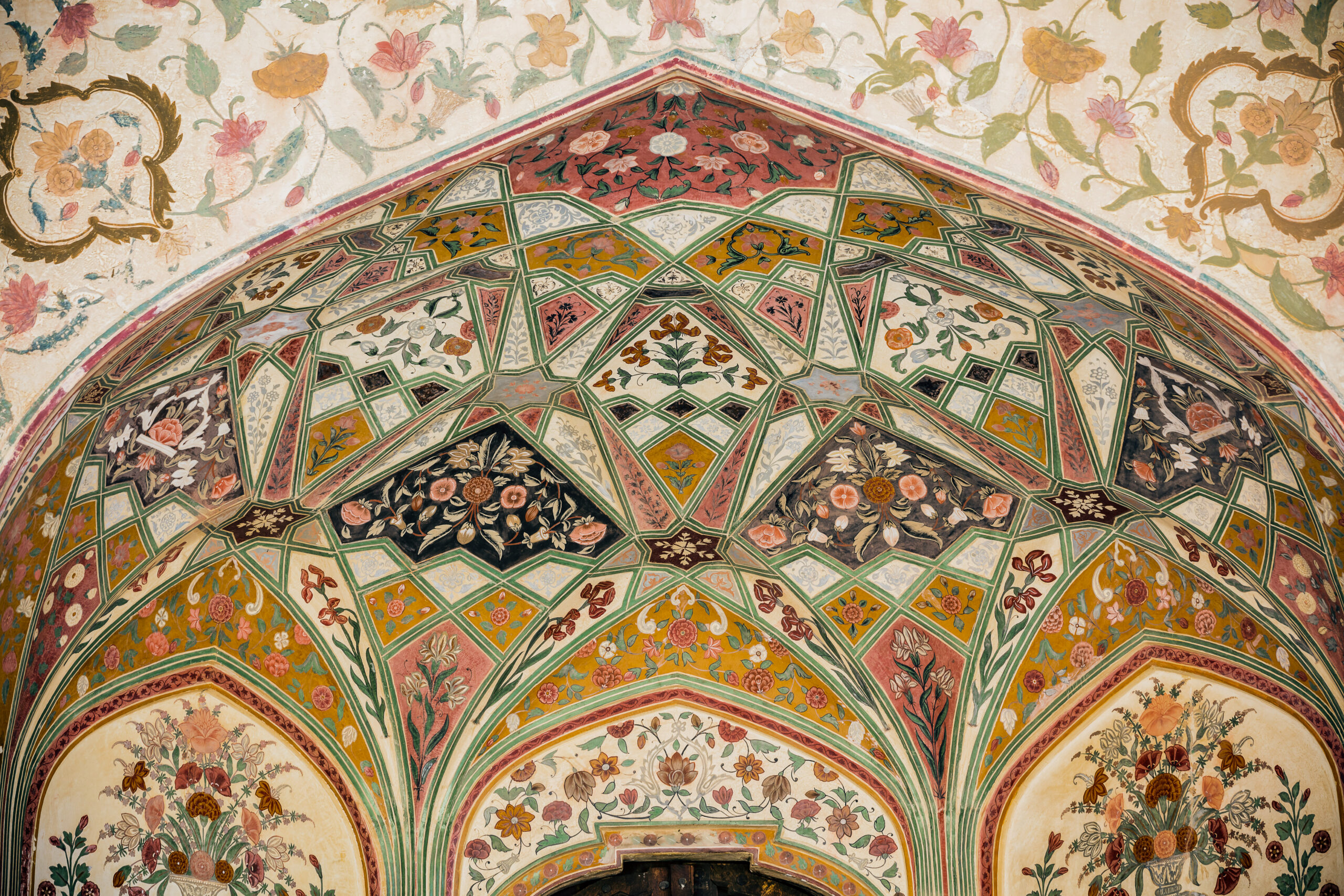
Amber Fort – Picture by kind courtesy on the Indian Tourism Board