
Every Step Tells A Story
Every Step Tells A Story
Seven Days Through Ancient Uzbekistan
Seven Days Through Ancient Uzbekistan
A journey along the Silk Road through Tashkent, Bukhara, and Samarkand
There is a particular kind of magic in a country that has spent more than two thousand years at the crossroads of civilizations. Uzbekistan, heart of the ancient Silk Road, is exactly that kind of place, its cities carrying the footprints of merchants, scholars, and conquerors who once passed between China and the Mediterranean. A week is enough to experience its essence: turquoise-domed mosques, bustling bazaars, and centuries-old craftsmanship that together explain why Uzbekistan is so often called an open-air museum. This itinerary traces a classic route through the country’s three most iconic cities — Tashkent, Bukhara, and Samarkand — connected by comfortable high-speed trains that make the journey as effortless as it is unforgettable.
A Journey Worth Taking
What makes this route through Uzbekistan so compelling is the way it layers history upon history. Tashkent offers a modern capital built atop ancient foundations; Bukhara preserves an almost untouched medieval city where daily life still unfolds among centuries-old monuments; and Samarkand dazzles with some of the most spectacular Islamic architecture ever built. Traveling between them by train adds its own rhythm to the trip, turning transit time into an opportunity to watch the Uzbek countryside roll by between one historic city and the next.
For anyone drawn to the romance of the Silk Road — the idea of a trade route that once carried silk, spices, ideas, and cultures between distant civilizations — this seven-day itinerary offers a genuine taste of that legacy. It is a journey that rewards curiosity, patience, and an appreciation for craftsmanship, from hand-inlaid mosaic tiles to hand-beaten silk paper. A single step, as the saying goes, begins a journey of a thousand miles, and in Uzbekistan, that first step leads through some of the most extraordinary architecture and living history anywhere along the ancient Silk Road.
Day-by-Day Summary
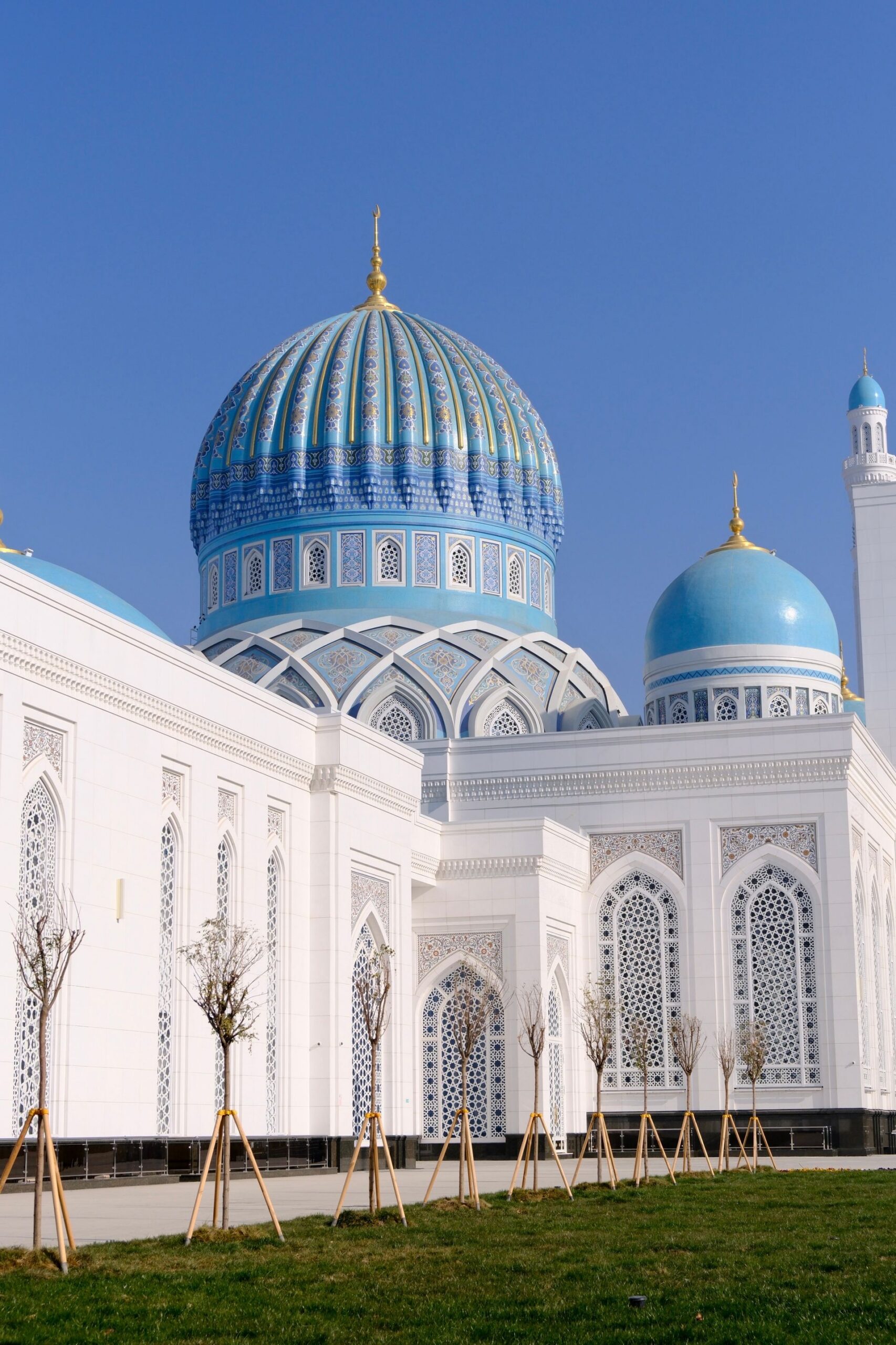
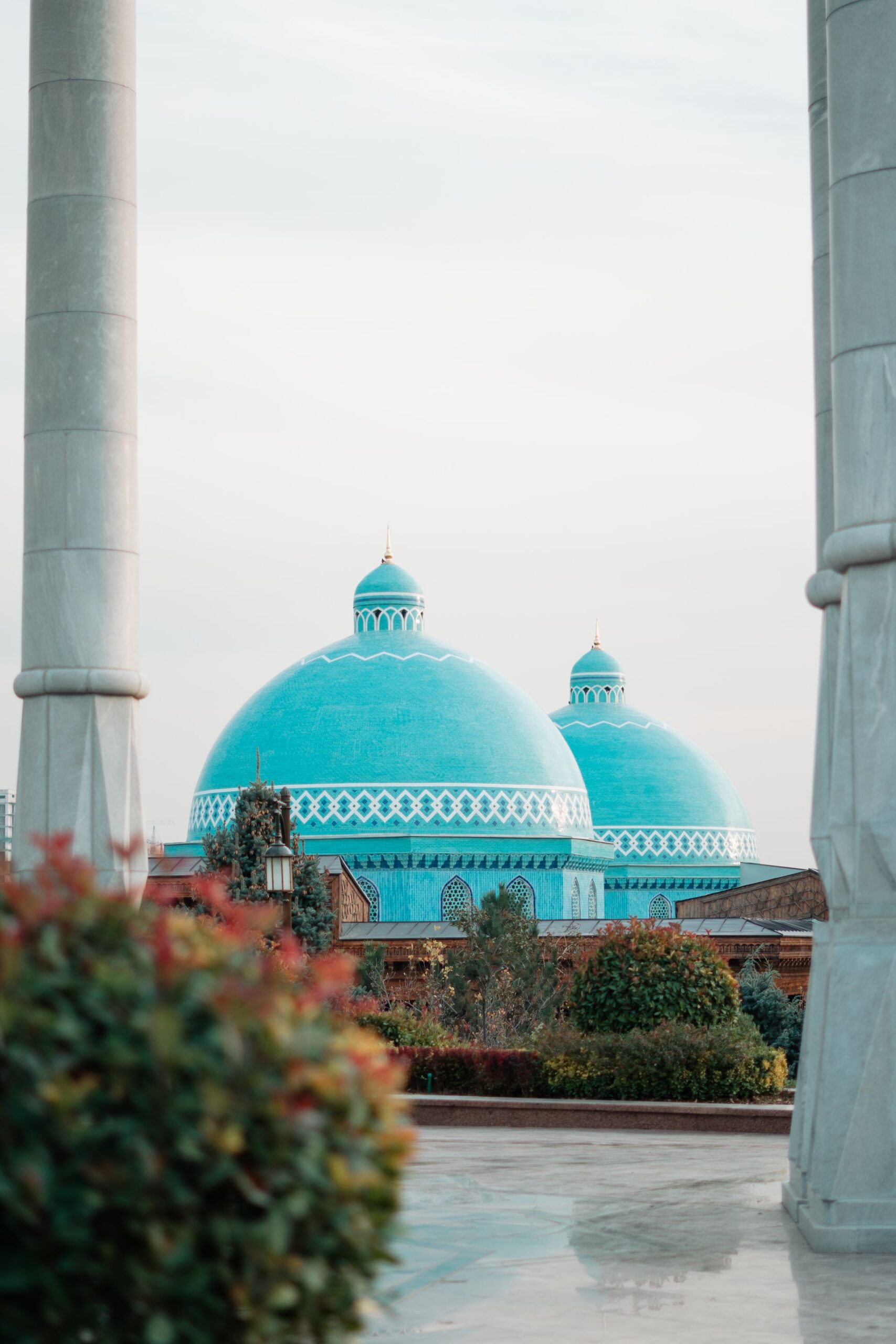
The journey begins the moment the plane touches down at Tashkent International Airport, where a warm welcome and an early hotel check-in ease the transition after a long international flight. Tashkent, the capital of Uzbekistan, is a city of contrasts: broad Soviet-era boulevards give way to centuries-old neighborhoods, and gleaming modern towers stand not far from tiled minarets. There is no better way to begin a Central Asian adventure than by settling into this dynamic capital, resting up, and letting the anticipation build for the days of exploration ahead.
After breakfast, the real exploration begins with a guide meeting at the hotel at 9:00 a.m. for a full day devoted to the capital’s landmarks. The tour opens at the Hazrati Imom Complex, widely regarded as the spiritual heart of Tashkent, a gathering of mosques, madrasahs, and mausoleums spanning the sixteenth to twentieth centuries. From there, the pace shifts at Chorsu Bazaar, one of the busiest and most colorful markets in the city, where mountains of spices, dried fruits, fresh bread, and handwoven textiles compete for attention beneath a distinctive blue-domed roof.
The afternoon continues at Amir Temur Square, home to a striking equestrian statue of the great conqueror, erected in 1994 as a symbol of national pride. Nearby, Independence Square offers a different atmosphere — a favorite gathering spot where residents relax in the shade of fountains, and where couples traditionally come to take wedding photographs. The day closes at the Museum of Applied Arts, an intimate showcase of Uzbek ceramics, embroidery, woodcarving, and jewelry that previews the artistic traditions travelers will encounter throughout the rest of the trip, before an overnight stay back in Tashkent.
Day 3: Tashkent to Bukhara by Train
The morning begins early, with a private transfer to the train station at 7:30 a.m. and departure for Bukhara shortly after. High-speed rail travel across Uzbekistan is comfortable and scenic, carrying travelers past open steppe before arriving in Bukhara in the mid-afternoon, where a local guide is waiting to begin the exploration of what is often called the City of Islam and Culture.
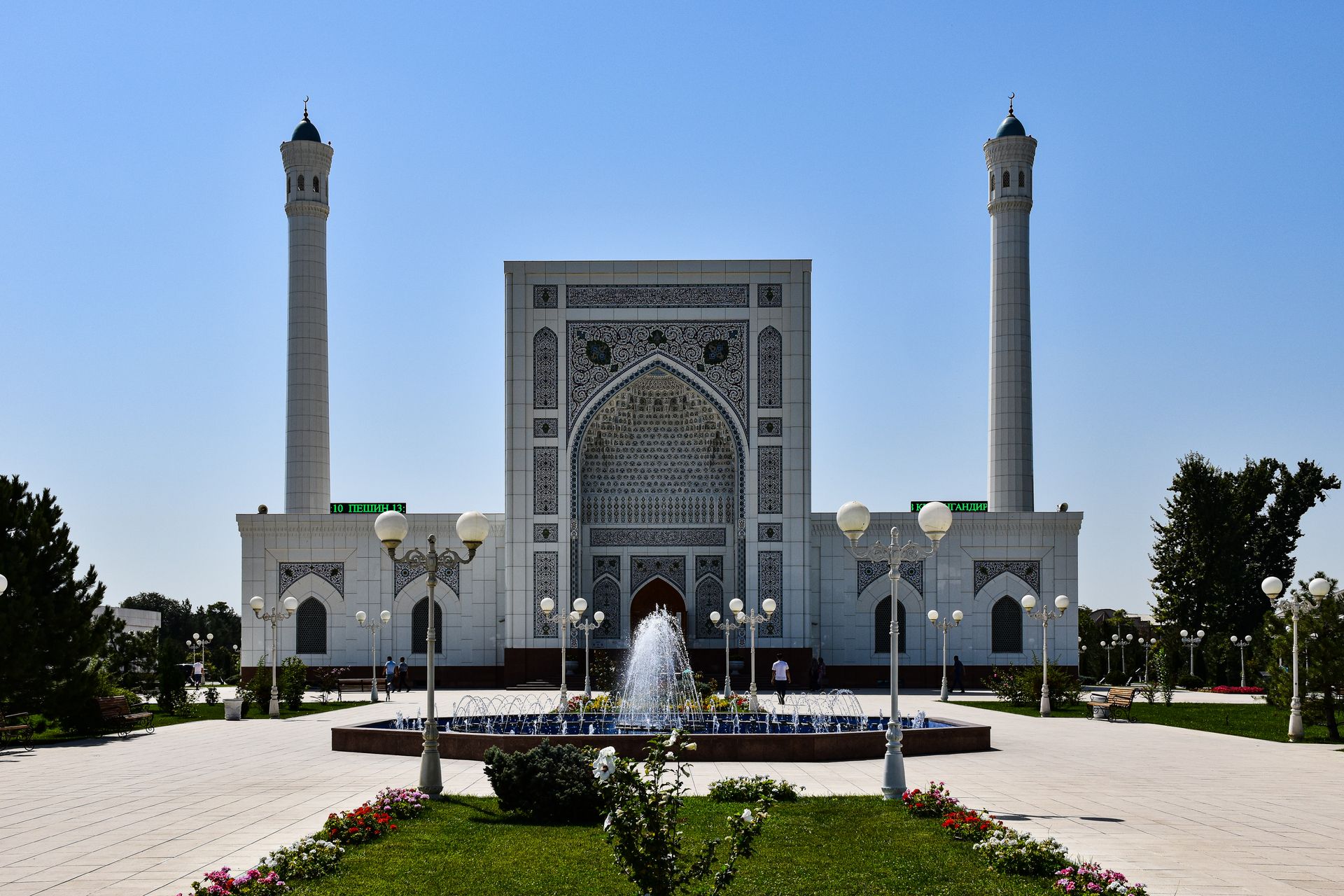

Bukhara is unlike anywhere else on the route — a city where entire neighborhoods have remained largely unchanged for centuries. The tour begins at the Samanid Mausoleum, one of the oldest surviving structures in Central Asia, dating to the tenth century and celebrated for its intricate brickwork, followed by the Chashma-Ayub Mausoleum, sometimes called the Museum of Water, and the elegant Bolo Hauz Mosque, built in 1712 and admired for its slender carved wooden columns reflected in the pool before it.
Day 4: Bukhara to Samarkand by Train
Bukhara has buildings spanning a thousand years of history, and the second morning here is dedicated to uncovering more of its layered past. Meeting the guide again at 9:00 a.m., travelers begin at the Lyab-i Hauz complex, a beloved gathering place built around a tranquil pool shaded by ancient mulberry trees, followed by the unmistakable Chor Minor, a small structure crowned with four distinct minarets, each said to represent a different world religion.
The morning continues through the Kukaldash Madrasah, one of the largest religious schools in Central Asia, and the Magoki-Attari Mosque, believed to be the oldest surviving mosque in Bukhara. A final stop at the Tim Abdullah Khan Trading Dome offers a glimpse into the domed bazaars that once sheltered Silk Road merchants trading silk, spices, and jewelry.
In the late afternoon, a private transfer departs for the train station at 4:00 p.m., with the journey to Samarkand arriving in the early evening. Samarkand, perhaps the most legendary of all Silk Road cities, awaits with its turquoise domes glowing under the evening sky as travelers settle in for the night.
Day 5: The Wonders of Samarkand
Samarkand is a trilingual city, where Uzbek, Russian, and Tajik are all spoken fluently side by side, a living reminder of the many cultures that have long converged here. The day’s sightseeing begins in the heart of the Timurid dynasty’s legacy at the Gur-e-Amir Mausoleum, resting place of Amir Temur himself, its ribbed azure dome one of the most recognizable silhouettes in Central Asian architecture.
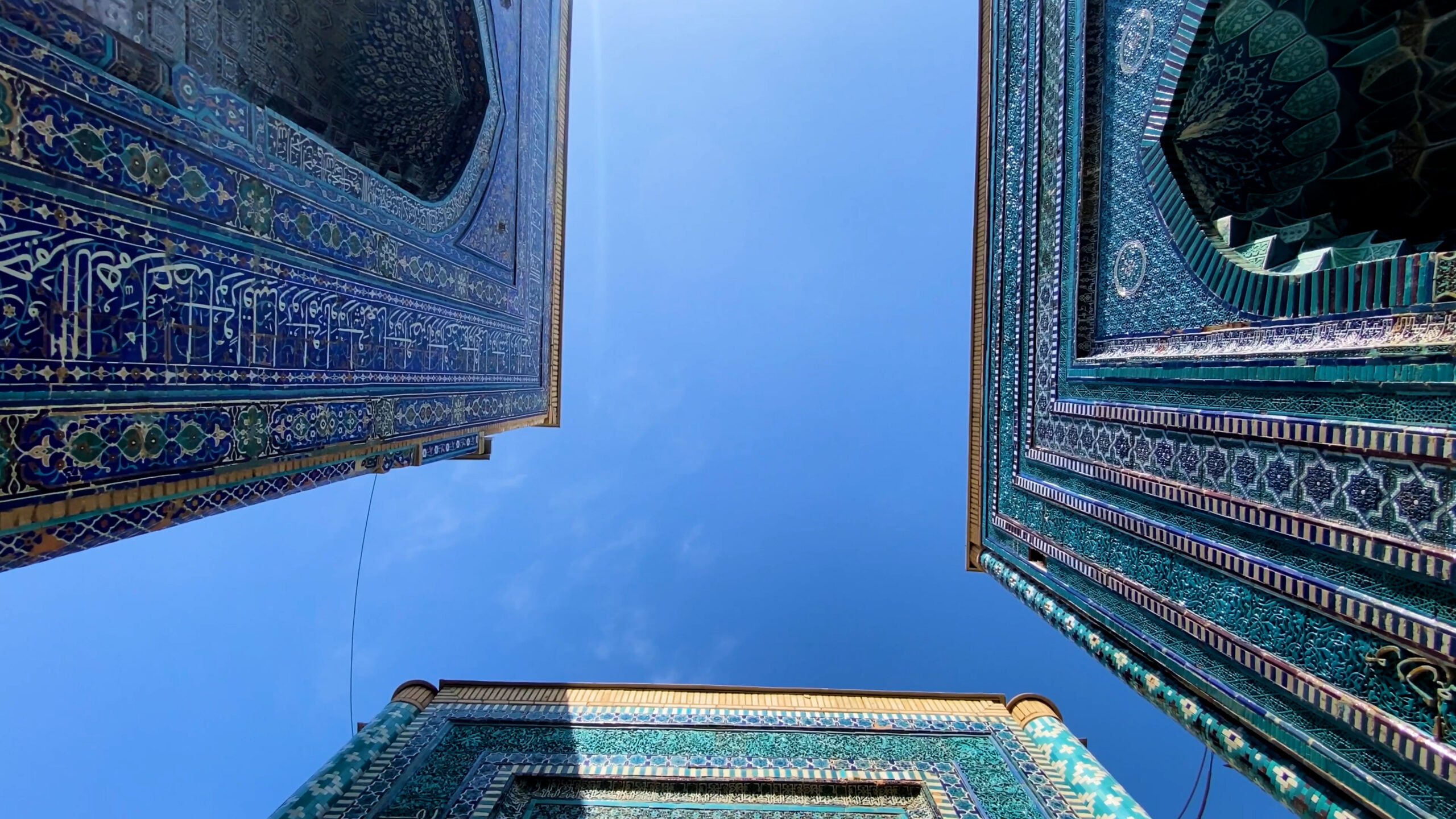
From there, the tour arrives at the crown jewel of the itinerary: Registan Square, an ensemble of three magnificent madrasahs, each built in a different century, their facades covered in dazzling mosaic tilework that has made the square one of the most photographed sites in the world.
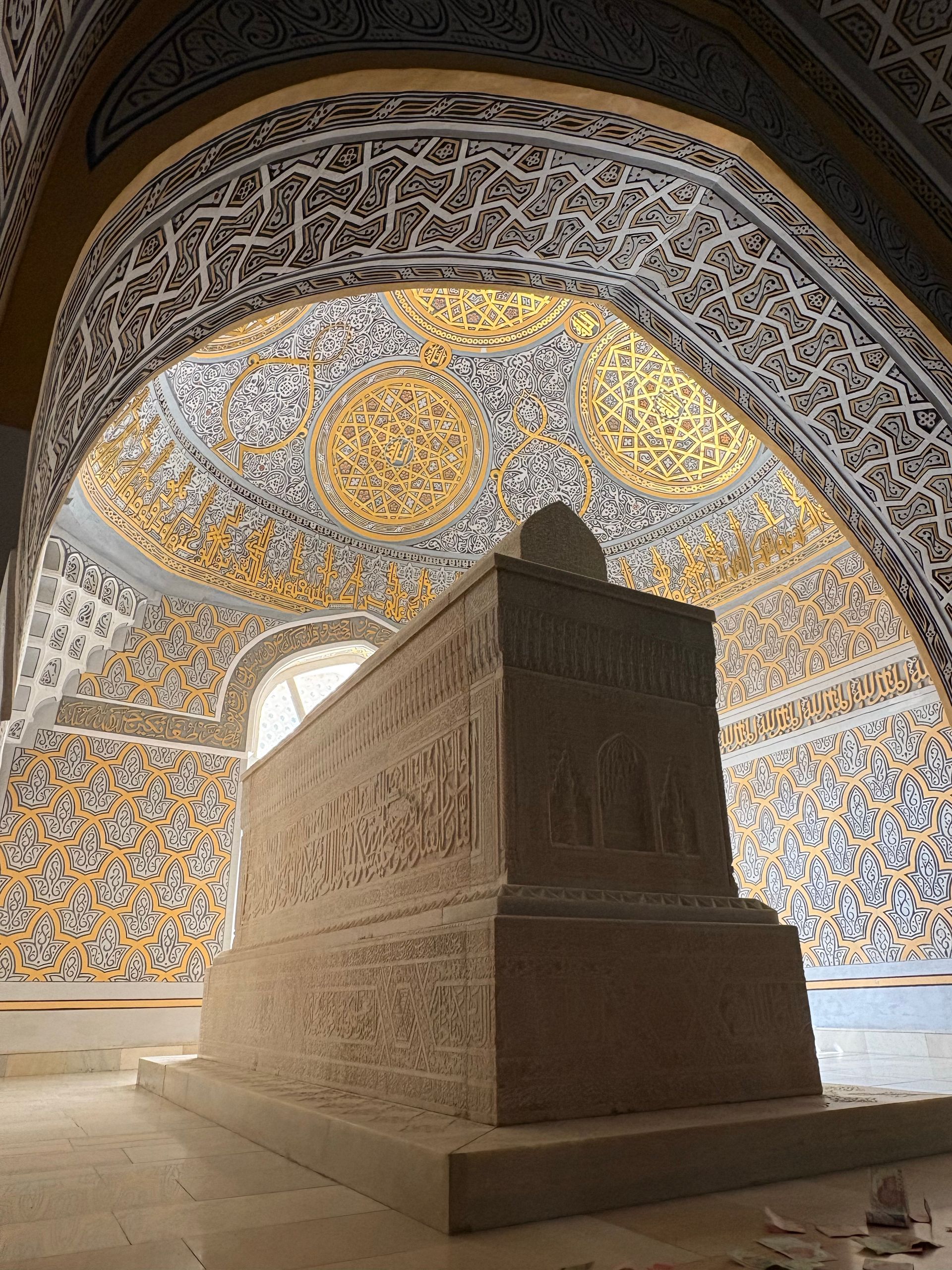
After a lunch break, the afternoon continues at the Bibi-Khanym Mosque, commissioned in 1399 by Amir Temur, and the Siab Bazaar, the oldest continuously operating market in Samarkand, filled with fresh produce, dried fruit, and warm non bread straight from clay ovens.
The day concludes at the Shah-i-Zinda complex, an extraordinary avenue of mausoleums built between the eleventh and twentieth centuries, its narrow passageway lined with some of the most richly tiled tombs anywhere in the Islamic world — a fitting close to a day spent among the greatest architectural achievements of the Timurid era.
Day 6: Samarkand to Tashkent by Train
The final full day of sightseeing begins with a visit to the Ulugbek Observatory, once a leading center of astronomical study in Central Asia. Built in the 1420s and rising three stories high, it allowed the astronomer-king Ulugbek and his scholars to chart the stars with remarkable precision for their era.
From there, the tour continues to the Mausoleum of Khoja Daniyar, a site revered by three world religions — Judaism, Islam, and Christianity — and the Afrasiab Museum, home to some of the oldest archaeological treasures in Samarkand.
The day’s exploration then turns hands-on at the Konigil ancient paper factory, where visitors can take part in the traditional production of hand-made silk paper from mulberry bark, a craft tracing back to a paper factory first built on this site at the beginning of the eighth century, set amid quiet, natural surroundings along the riverbank.
In the early evening, a private transfer departs for the train station, with the final rail journey carrying travelers back to Tashkent, arriving late at night for one last overnight stay in the capital.
Day 7: Farewell to Tashkent
The final morning is a relaxed one: breakfast at the hotel followed by a private transfer to the airport, bringing the seven-day journey through ancient Uzbekistan to a close. What began with the first glimpse of Tashkent’s skyline ends with memories of turquoise domes, mosaic-covered madrasahs, bustling bazaars, and the quiet hospitality that defines travel along the Silk Road.
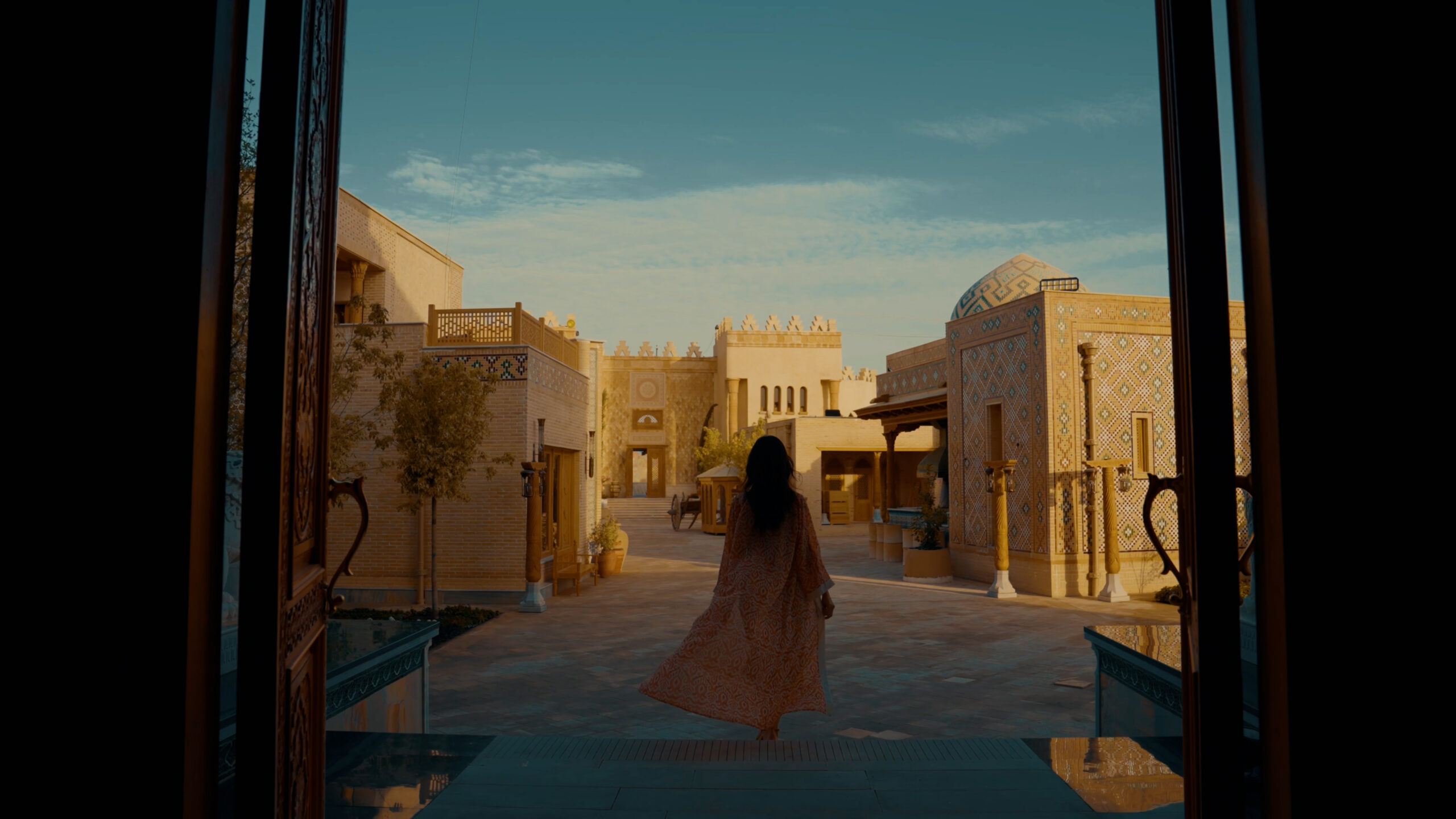
SAMARKAND
“We travel not for trafficking alone; by hotter winds our fiery hearts are fanned… We take the Golden Road to Samarkand.”
BUKHARA
“The almond groves of Samarkand, Bokhara, where red lilies blow…”

UZBEKISTAN
“Remarkably undersold as a stunningly attractive and safe destination.”